Start with a defined Flathead County benchmark
MIT’s calculator lists required annual income of $53,224 before taxes and $43,296 after taxes for one adult with no children in Flathead County. Its associated hourly living-wage estimate is $25.59 for full-time work modeled at 2,080 hours a year. These are estimates of income needed to meet modeled basic expenses for that particular household and county.
The figures do not describe statewide average spending, wages actually earned, an available rental or the cost of a Powder Peak residence. Check the linked source for its current assumptions, methodology and reporting period, and choose a different household configuration when needed. The two-adult rental example on this page is a separate invented exercise showing how to assemble a budget; it is not calculated from this one-adult benchmark.
Work through the example before choosing a benchmark
The table uses a fictional two-adult household that rents. Every amount is invented to make the arithmetic visible; none represents a verified Montana price. The seven spending categories total $4,950 a month. Adding a $250 reserve transfer brings the cash allocation to $5,200 a month, or $62,400 over twelve months. The reserve is money set aside, not an expense already incurred.
Now test one change: add $100 a month for utilities and $200 for additional travel. The same example rises to $5,500 a month and $66,000 a year, a difference of $3,600 annually. This shows how two assumptions affect the total without claiming that every move needs the same contingency. Replace the rent first with a real lease proposal, then work through the other inputs for your household.
Keep income, spending and asking prices separate
The cash allocation is not a gross salary requirement. Converting a household budget into required income involves taxes, benefits, other savings and the household's circumstances. It is also different from actual spending, which you measure from the payments you make. The example deliberately shows a reserve transfer separately so it cannot be mistaken for a utility or housing bill.
A property asking price answers a third question: the amount requested for the home. It does not establish monthly carrying costs or a typical cost of living. Keep those three comparisons on separate lines—required income, recurring household spending and the proposed purchase amount—so a large property price or a statewide statistic does not replace an address-specific budget.
Select an official tool that matches the question
MIT's Living Wage Calculator models basic needs by location and household composition. Choose Montana for statewide context or Flathead County for a closer geographic starting point when considering Whitefish, then select the household configuration that matches your comparison. Read the methodology and reporting period on the source: a modeled income requirement is neither a survey of your actual spending nor a luxury-home budget.
The Bureau of Economic Analysis publishes regional price parities for comparing state and metropolitan price levels against the overall United States. That index gives comparative context rather than a monthly household bill. HUD Fair Market Rents provide a defined rental benchmark used for housing programs; they do not quote an available apartment. Use the source's geography, measure and reporting period together instead of copying a number into an undated budget.
Replace the rental example with an ownership worksheet
If you intend to buy, replace the rent line rather than treating the rental example as a purchase budget. Separate the funding of the purchase from recurring ownership charges. Obtain the proposed financing scenario, if applicable, and property-specific information for association charges, insurance responsibilities, taxes, utilities and maintenance. Leave unknown amounts blank until the relevant documents or providers establish them.
Record what each charge includes. If an association charge covers a shared service, adding that service again may double-count it. If a marketing description mentions a service, confirm whether it is included or separately arranged. A comparison between two residences should use the same expense categories and identify differences in owner responsibilities alongside differences in price.
Include the journeys and seasons in your routine
Transportation spending should reflect how you expect to live. Write down the trips to work, shops, appointments and the airport that would continue after a move. Add planned travel to and from another home if Montana will be a part-time base. A property near a favorite activity may change some journeys while leaving other travel needs intact.
Ask the appropriate provider or seller for useful property-specific utility information where available, and understand what it represents. A bill from a differently occupied home may not predict your own usage. Allow for the equipment, services and activities you plan to use through the seasons. The purpose is to make your assumptions explicit, so a favorable purchase figure does not conceal a different pattern of ongoing spending.
Separate everyday spending from moving and ownership setup
One-time costs can distort a monthly comparison if they are mixed into it without explanation. Keep a separate worksheet for moving quotes, travel during the search, temporary accommodation, furnishings and service setup. For a purchase, request an itemized transaction-cost estimate from the professionals handling it. The amounts depend on the transaction and should not be inferred from a development's advertised asking price.
Then make a second pass through the recurring budget with a more demanding scenario: additional travel, a service you had planned to handle yourself, or a period when the home is used differently. Choose assumptions that reflect your own plans rather than inventing a universal contingency percentage. Seeing both scenarios can show which unanswered questions are most important to resolve before proceeding.
Place Powder Peak's asking prices in the right context
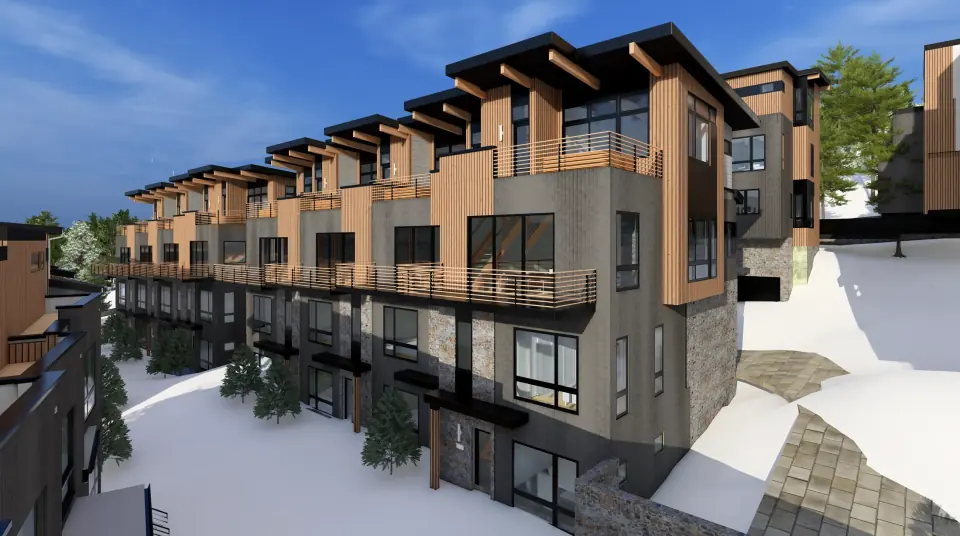
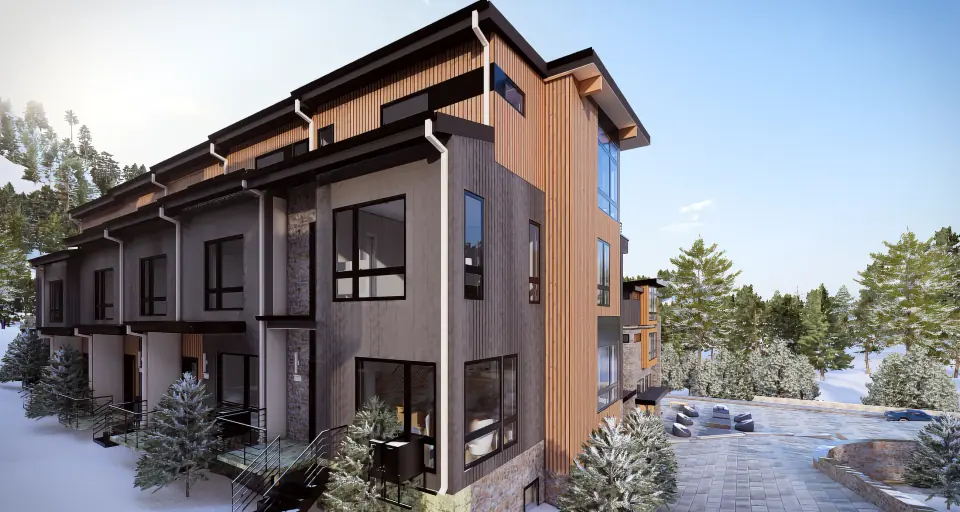
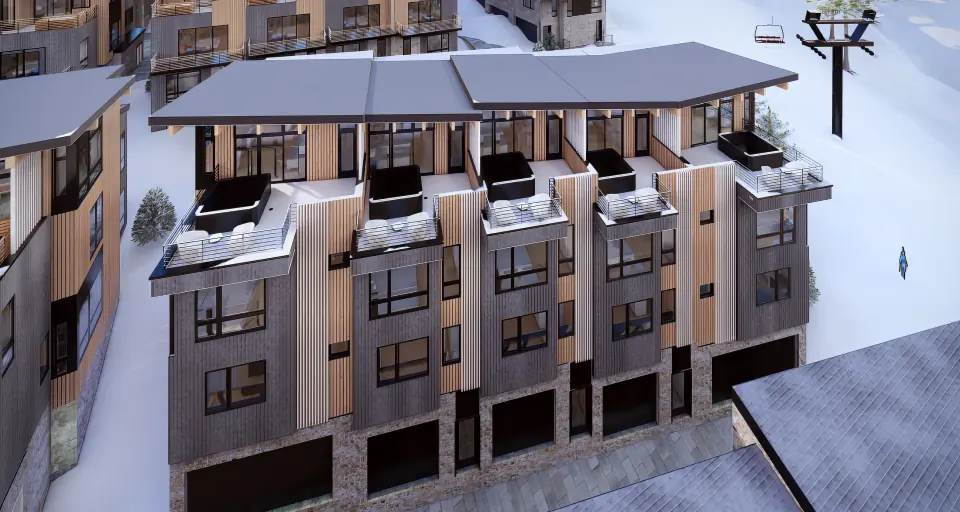
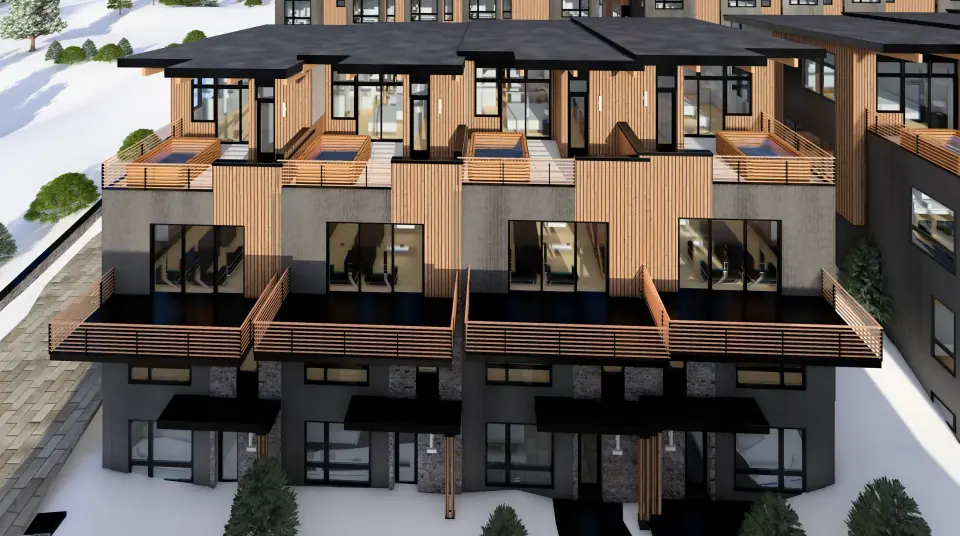
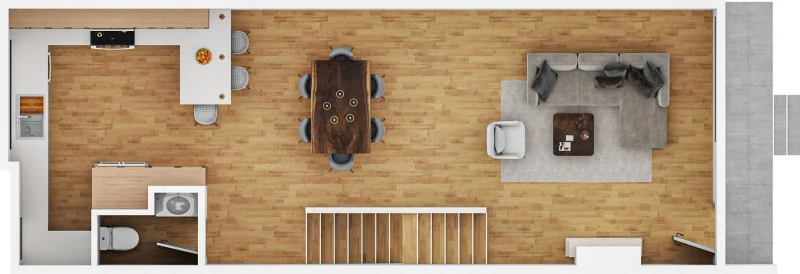
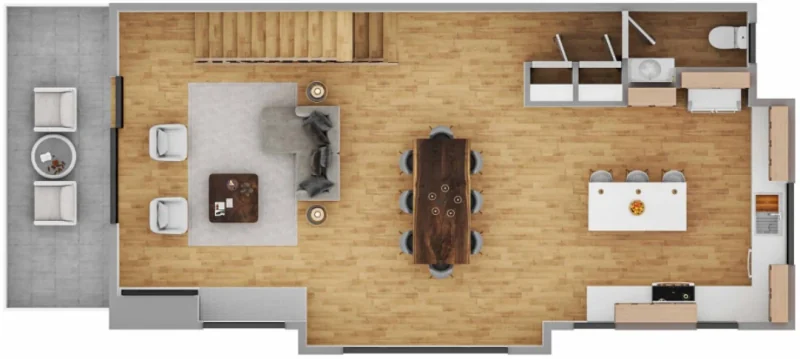
The four featured Powder Peak residences provide a specific Whitefish luxury-property example. B103 is offered at $2.5 million, C103 at $2.6 million, D102 at $3.2 million and E104 at $3.85 million. These are asking prices for identified homes at one development. They are not Montana's average housing cost, a local market median or a measure of what every household needs to spend.
Use the listings to compare the proposed purchase with the space and location you want, then request the ownership information for your selected residence. Compare recurring charges and responsibilities separately from the purchase amount. That distinction lets you explore a mountain-home option while keeping a statewide cost-of-living comparison honest and useful.