POWDER PEAKWHITEFISH MONTANA

Montana property taxes: understand the home behind the bill.

Montana property taxes depend on the property's assessment, classification and local levies. Start with the exact parcel and its official records, then build a clear ownership budget around the home you are considering.

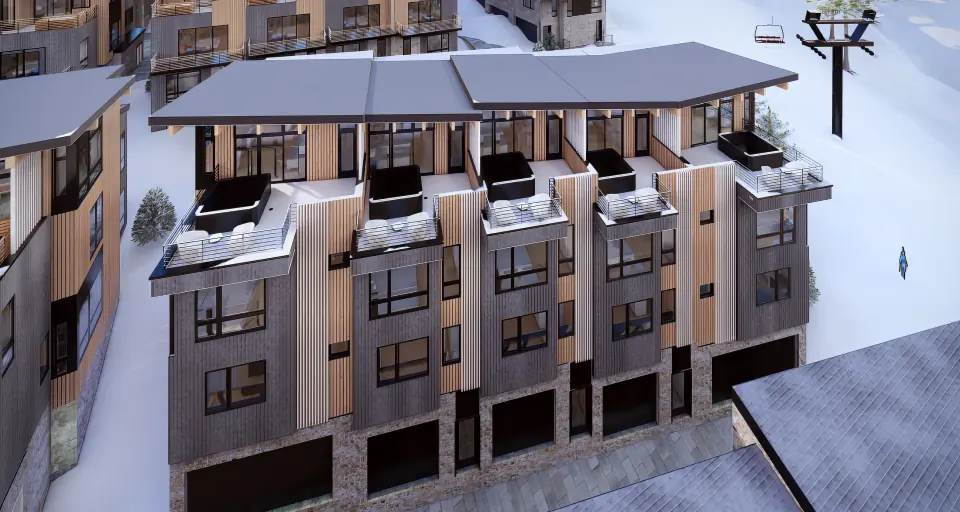
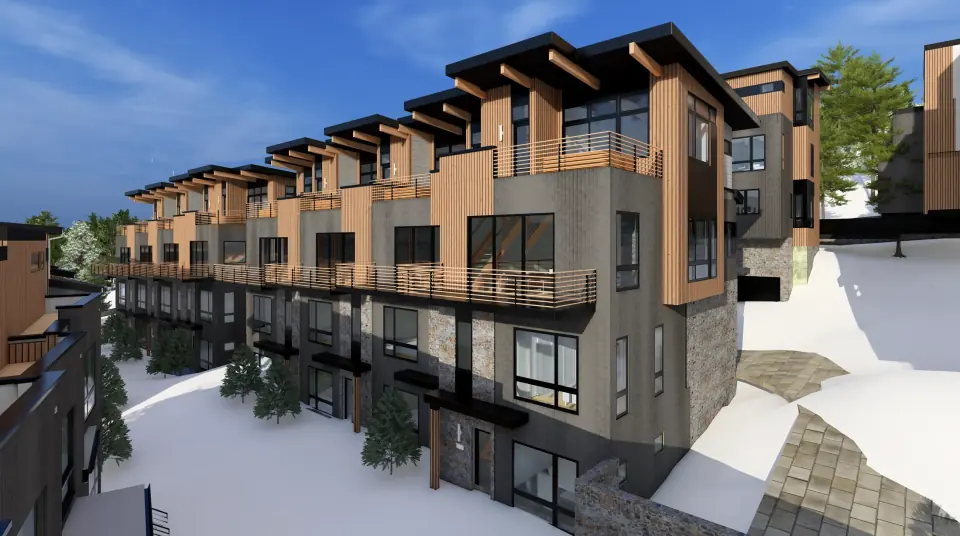
Architectural rendering of Powder Peak Building E residences on Whitefish Mountain in Montana
Building E · Architectural rendering
Chair TwoWhitefish Mountain Resort
Three-bedroom homesFour featured residences
2,037–2,575 sq ftPublished residence floor areas
From $2.5MFeatured residences · USD

A useful estimate begins with the right documents.

Documents to keep beside a Montana homeownership budget
DocumentWhat it helps establishQuestion to resolve
Appraisal noticeProperty identity and assessed/taxable valuesDoes this record describe the completed residence?
County tax statementBilled taxes and listed assessmentsWhich amounts and property period does it cover?
Association budget and offering documentsShared expenses and owner responsibilitiesWhich charges are separate from property taxes?
Written estimateA planning amount with assumptionsWho supplied it, and what remains to be confirmed?

Separate the asking price, assessed value and taxable value

A home's advertised price is a seller's asking price. The Montana Department of Revenue's assessed value and taxable value serve different purposes in the property-tax system. The Department of Revenue determines valuation and classification. Taxable value follows the applicable classification and tax treatment; it is not simply the purchase price. The appraisal notice identifies the property and explains the values used for assessment. Reading those fields separately prevents a common budgeting mistake: treating a listing price, an assessment and an annual tax bill as interchangeable numbers.

For a home on your shortlist, collect the listing, appraisal notice and most recent available tax statement in one folder. Match the address and property identifiers across all three. If a residence is part of a new development, ask which documents apply to the individual unit and which refer to a larger parcel. Keep any unresolved identification question visible in your purchase checklist.

Understand how local mill levies enter the calculation

The Department of Revenue describes estimated general property tax as taxable value multiplied by the total mills divided by 1,000. Local governments establish mill levies, and the county treasurer calculates the bill. Special assessments or fees can be additional. A statewide percentage or another owner's bill therefore cannot establish the amount for your chosen home.

Ask for the tax district, applicable taxable value and the statement's separate charges before using an estimate. Preserve the source and assumptions beside the number in your budget. This lets you distinguish a documented bill from a preliminary estimate and ask a focused question when two figures differ. The property's official records and county treasurer should resolve the tax details; a residence brochure should not substitute for them.

For a hypothetical example, a taxable value of $10,000 and a levy of 200 mills would produce $2,000 in general property tax: $10,000 × 200 ÷ 1,000. These are illustrative teaching inputs, not a Powder Peak valuation, local mill levy or tax estimate. Separate assessments and fees are excluded.

Describe the intended use accurately

Montana's residential tax rules distinguish between types of property use. A primary residence, a second home and a rental should not automatically be treated alike. Check the Department of Revenue's Homestead and Long-term Rental guidance, including verification requirements, with a qualified Montana tax professional before assuming a particular treatment. This guide does not determine your eligibility for an exemption or a reduced rate.

For a mountain home, write down how you actually intend to use it: where you will live, how often you expect to visit and whether any other use is contemplated. Keep that tax discussion separate from permissions under association documents or local rules. A tax category does not grant rental permission, and a marketing description does not establish your tax position.

Give new construction a separate assessment question

The Department of Revenue notes that newly added improvements or a change in construction completion can affect an appraisal. When considering a new residence, establish what stage of the property is reflected in the available record. Do not assume an earlier land or partially completed-property amount represents the completed home's ongoing bill.

Request an explanation of the parcel and unit identification, the assessment information currently available and any estimate being used in the offering discussion. Ask the Department of Revenue about valuation and classification of the completed home, and the county treasurer about billing and collection. An open question is more useful than a precise-looking figure with no stated basis. Keep completion, assessment and closing-cost questions together so your advisers can check the same facts.

Keep property taxes separate from association and household expenses

A tax estimate is one line in an ownership budget. Association charges, insurance responsibilities, utilities, maintenance and financing belong on their own lines. Ask what an association charge actually includes before adding a second allowance for the same service. Equally, do not assume that a property tax payment covers services managed by the development.

For each candidate residence, use the same document checklist and the same budget categories. This produces a more meaningful comparison than comparing purchase prices alone. Leave unverified amounts marked as open questions rather than filling the gaps with a statewide average. Your lender, insurance provider, association documents and tax adviser each answer different parts of the total-cost question.

Bring a residence-specific checklist to Powder Peak

Powder Peak offers a concrete Whitefish example for this process. The featured homes are B103, C103, D102 and E104, across four buildings at Whitefish Mountain Resort. Their developer-published asking prices range from $2.5 million to $3.85 million. Those are purchase-price references, not assessed values or property-tax estimates. No unit-specific tax bill is represented on this page.

Choose one or two residences by layout, then request the current offering and ownership documents for those exact IDs. Ask which tax records are available, which costs remain estimates and where to obtain the authoritative answers. A private inquiry can start that document conversation while your qualified advisers assess the implications for your own circumstances.
Four homes for a residence-specific cost conversation

Compare the published layouts and asking prices first. Request the ownership documents for the exact Powder Peak home that interests you; these prices are not tax assessments.

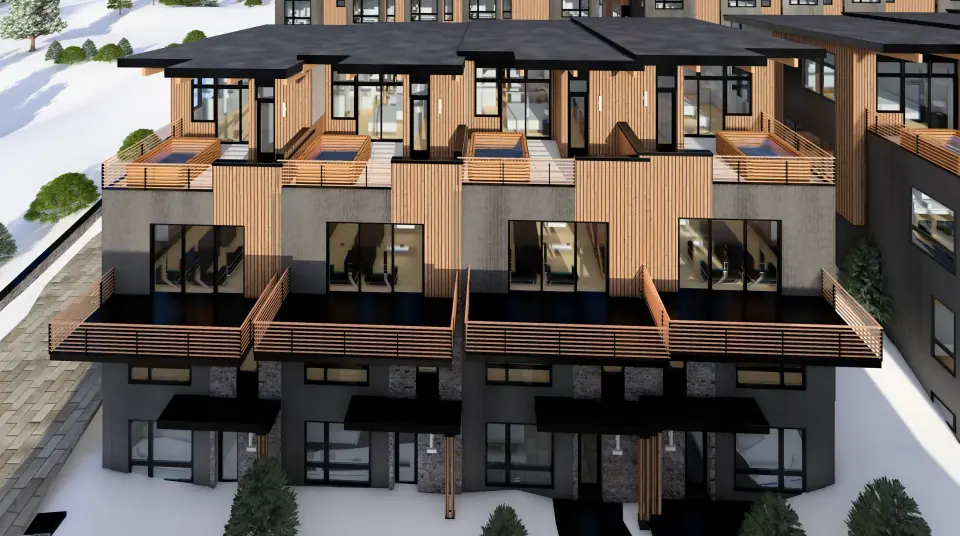
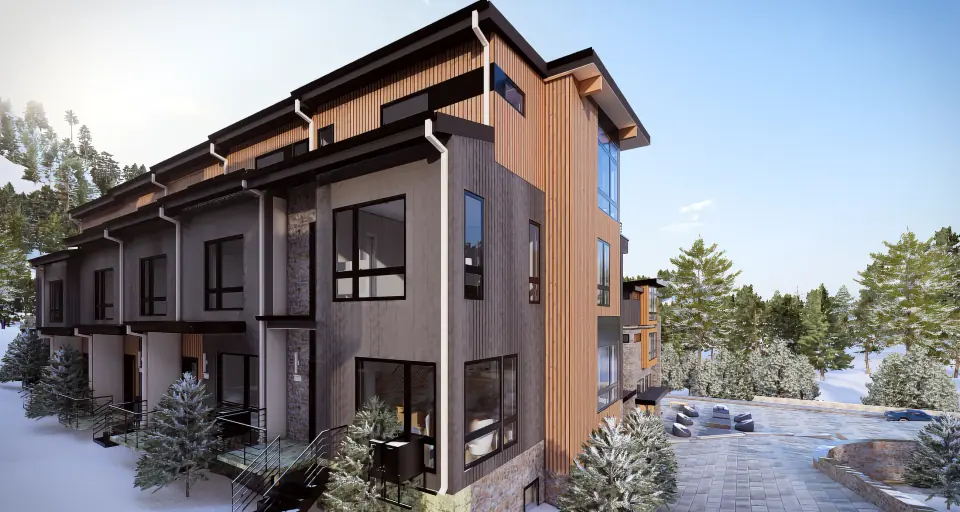
Architectural exterior rendering of Powder Peak Building B, in Whitefish, Montana, home to residence B103
Building B · Exterior rendering

B103

$2.50M

3 beds + flex · 2.5 baths
2,037 sq ft · Snowghost interior
Available

Residence B103 details

Layout notes

Three bedrooms plus flex space in the Snowghost interior layout. Review the complete residence plan for the relationship between levels.

Explore B103 floor plans ↗
Architectural exterior rendering of Powder Peak Building C, in Whitefish, Montana, home to residence C103
Building C · Exterior rendering

C103

$2.60M

3 beds · 2.5 baths
2,037 sq ft · Snowghost interior
Available

Residence C103 details

Layout notes

Three-bedroom Snowghost interior layout. This published configuration does not list a separate flex room.

Explore C103 floor plans ↗
Architectural exterior rendering of Powder Peak Building D, in Whitefish, Montana, home to residence D102
Building D · Exterior rendering

D102

$3.20M

3 beds + flex · 3.5 baths
2,524 sq ft · Middle residence
New release

Residence D102 details

Layout notes

Three bedrooms plus flex space, with a larger published floor area than the Snowghost residences.

Explore D102 floor plans ↗
Architectural exterior rendering of Powder Peak Building E, in Whitefish, Montana, home to residence E104
Building E · Exterior rendering

E104

$3.85M

3 beds + flex · 3.5 baths
2,575 sq ft · End residence
New release

Residence E104 details

Layout notes

End residence with three bedrooms plus flex space. The developer describes direct slope access from the ski level.

Explore E104 floor plans ↗

Developer-published asking prices and specifications. Request current pricing, availability and final details from the Powder Peak team.

Identify the home before comparing its costs

Use the living-level illustrations to begin your shortlist, then open the complete residence plans. Keep the same unit ID on the document requests that follow.

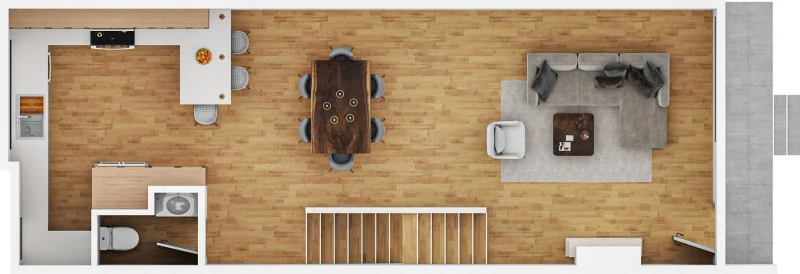
B103 living-level illustration showing the kitchen, dining area, living room, stairs and half bathroom

Snowghost residence

Illustrative living level · B103

The illustrated level places the kitchen on the left, dining in the center and living space on the right, with stairs and a half bathroom along the lower side of the plan.

View B103's full floor plan ↗
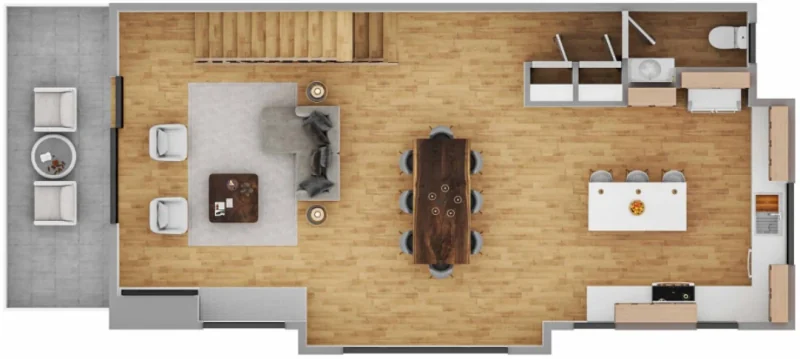
End-residence living-level illustration showing a terrace, living and dining areas, kitchen island, stairs and half bathroom

End residence

Illustrative living level · orientation varies

The illustrated end-residence level connects a terrace with the living and dining areas. The kitchen island, stairs and half bathroom occupy the opposite side of the plan.

View E104's full floor plan ↗
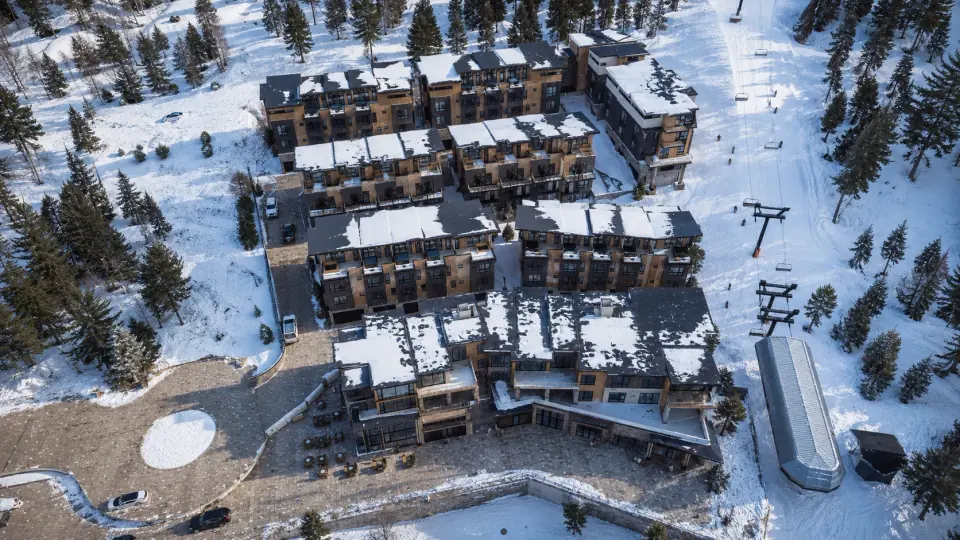
Architectural overview of Powder Peak residences in the Whitefish Mountain Resort setting in Montana
Powder Peak at Whitefish Mountain Resort · Architectural rendering

Put the tax research beside a specific Whitefish home.

A statewide explanation becomes useful when it is connected to one property. Powder Peak is a mountain development at 3900 Big Mountain Road in Whitefish, within Flathead County.

Start with the individual residence

Use the home ID throughout your inquiry. A conversation about B103 should lead to B103's offering documents rather than assumptions drawn from another building or a different owner's property.

Separate the public and private records

Official property records and county tax information answer assessment questions. The seller's offering package and association documents answer different questions about the home and shared responsibilities.

Keep the visit focused

Use a Whitefish viewing to compare the floor plans and setting. Bring your outstanding ownership-cost questions so the sales team can identify available documents and the appropriate sources for remaining answers.

Montana property-tax questions before a home purchase

Use these answers to identify the records and professional guidance you need. They are general educational information, not a determination of your individual tax liability.

How are Montana property taxes calculated?

The state's general calculation uses taxable value and the local mill levy: taxable value multiplied by mills divided by 1,000. Additional assessments or fees may apply. Use the official values and tax statement for the specific property, rather than applying a general percentage to its advertised purchase price.

Can I estimate a Powder Peak home's tax bill from its asking price?

Not reliably from the asking price alone. First identify the exact residence, the relevant property record and the basis of any available estimate. Ask which information is established and which is still preliminary. This page publishes residence asking prices but does not claim verified property-tax amounts.

Request residence-specific ownership information

Is an appraisal notice the same as a tax bill?

No. The appraisal notice explains the property's classification and valuation, while the tax statement shows billed amounts. Keep both documents and check that they identify the same property. For a new residence, also ask whether the available assessment reflects its completed condition.

Should a second-home buyer assume the primary-residence tax treatment applies?

No. Property use can affect the applicable treatment and verification requirements. Describe your intended use to a qualified Montana tax adviser and check the Department of Revenue's current guidance. Eligibility should be established from your circumstances and the rules, not inferred from the word residential in a listing.

Are association charges included in Montana property taxes?

Treat them as separate budget categories and review the actual documents. Request an association budget and explanation of covered services, alongside the official tax information. This helps avoid both missing a responsibility and counting the same service twice in your ownership plan.

What should I request before comparing the four featured residences?

Start with current pricing, the complete floor plan, available offering documents, association information and the status of property-specific tax records or estimates. Note the residence ID on every request. Then compare the answers with your advisers before making assumptions about your ongoing costs.

Choose a residence to investigate

Property information: Powder Peak's official residence collection. Confirm current property details with the sales team. Montana Department of Revenue: appraisal notices. Montana Department of Revenue: mill levies and tax calculation. Montana Department of Revenue: residential property. Montana property-tax changes and current guidance. Montana property records. Flathead County tax records and billing. Homestead and Long-term Rental guidance.

Build the rest of your ownership plan

Montana property taxes: put a Whitefish address in context

Explore the mountain neighborhood in this Whitefish film, then connect your ownership questions to the exact Powder Peak residence, its parcel records and its assessment information.

Powder Peak · Whitefish, MontanaFilm footage includes construction in progress.

Request the details behind your selected residence.

Tell us which Powder Peak home you are considering and which offering or ownership documents would help your review.