Choose the destination before estimating the drive
A search for Whitefish to Glacier National Park needs a more specific destination before it becomes a useful itinerary. Choose an entrance, visitor center, trailhead or other named location, then map the journey from your actual Whitefish address. A mountain property and a downtown starting point do not produce the same first leg.
The National Park Service directs western access through West Glacier via U.S. Highway 2. This is the approach to the Lake McDonald area, Apgar and the western end of Going-to-the-Sun Road. Save the correct location in your navigation app rather than a general park label. If another traveler is driving, share the same destination so everyone understands where the outing begins. Build the day around that chosen area before adding a second location.
Separate reaching the entrance from crossing the park
Arriving at the West Entrance does not mean the entire Going-to-the-Sun Road is open. The National Park Service explains that roads within Glacier have different seasonal access patterns. Use its road-status information to check the route you intend to take, including whether a full crossing is possible.
Decide what you want from the day: a west-side outing, time at a particular trailhead, or a broader drive with several stops. These are different plans, even when they begin at the same entrance. Count the return trip, parking and time outside the vehicle as part of the outing. If a complete crossing is central to your visit, have an alternative that you would still enjoy if road access changes. A focused day can give you more time in the place you chose instead of spending the visit trying to recover an overfull itinerary.
Check entry rules separately from the route
Park entry requirements and road access answer different questions. Before setting off, review the National Park Service’s current visitor information for the area you intend to enter. Admission, any reservation arrangements and a road’s open status should each be checked on their own terms. A saved article or an earlier visit may describe a different access system.
Keep the relevant confirmation or pass information easy to retrieve, and make sure the person handling it understands what it covers. If you book an activity with a separate operator, ask where to meet and what remains your responsibility. This is particularly useful for a group arriving in more than one vehicle. A shared itinerary should identify the destination and any required arrangements, leaving everyone clear about which parts are already organized.
Build the day around one meaningful priority
Choose one experience that would make the outing worthwhile for your group. It might be time beside the lake, a suitable walk, a ranger-led activity or a scenic drive through an accessible section of the park. Then ask what that choice requires: a particular meeting point, a parking space, equipment or enough daylight for the return.
Use the same approach when people have different interests. Agree on a meeting place and a realistic time to reconnect before splitting up. Keep optional stops truly optional so an enjoyable first activity does not become a reason to rush the rest of the day. If you are visiting Whitefish repeatedly, there is value in learning one area at a time. That approach lets future trips build on experience instead of trying to compress the whole park into every visit.
Make a parking and transport plan
The National Park Service notes that parking is limited and congestion can affect access. Treat a trailhead parking space as something to plan around, not something secured simply by reaching the park. Check official transportation information for the trip you want to make, including any shuttle arrangements that apply.
If using a tour or another transport provider, confirm the exact pickup location and how you return there afterward. A service inside Glacier does not automatically solve the journey from Whitefish. For a self-drive day, agree on an alternative destination before departing so you can make a calm decision if a parking area is full. Keep the needs of the whole group in mind, including the length of walks between parking, meeting places and facilities. Transport choices work best when they match the activity rather than being added after the itinerary is already fixed.
Prepare the information you will need offline
Glacier’s National Park Service app guidance recommends downloading park content before arrival because cellular reception is unreliable. Save the maps and visitor information that relate to your planned outing while you have a connection. Check that the download is available on the phone you will actually carry, and give another member of the party access to the same information.
A useful offline plan includes your destination, the route back to Whitefish, the agreed meeting point and any booking confirmation. Let someone outside the group know your broad plan if you expect to be out of contact. Think through simple decisions before the drive: who holds the keys, where the group reunites, and what happens if people finish an activity at different times. These practical arrangements help you spend your attention on the visit once you arrive.
Use official maps to distinguish west-side and east-side trips
Look at the whole park map before combining place names into a single day. Glacier’s named areas are not interchangeable stops along a short local route. The National Park Service distinguishes the West Entrance from eastern access points, including St. Mary. Choose a route that matches the specific place you hope to reach and the road access available for that trip.
A photograph of an appealing destination is a good beginning, but add the practical context before committing. Consider the length of the drive in both directions, the group’s ability and the time you want outside the car. Avoid building a schedule around the assumption that any two places with Glacier in their description are close together. If your priority lies on the other side of the park, evaluate that as its own outing rather than a quick addition to a west-side plan.
Think about the home base between park days
For a prospective Whitefish owner, a Glacier outing is also a chance to notice how the rest of the stay works. Consider where you want to prepare breakfast, organize supplies, spend a quieter evening and return after a full day outside. A home base should fit the days when the park is not on the itinerary as well as the days when it is.
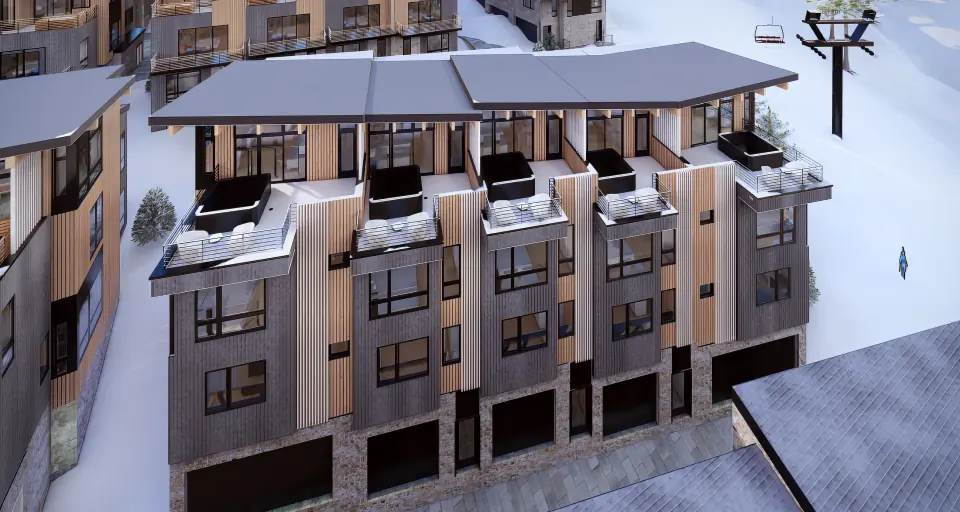
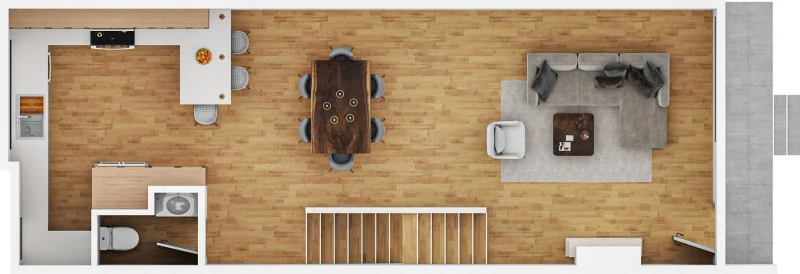
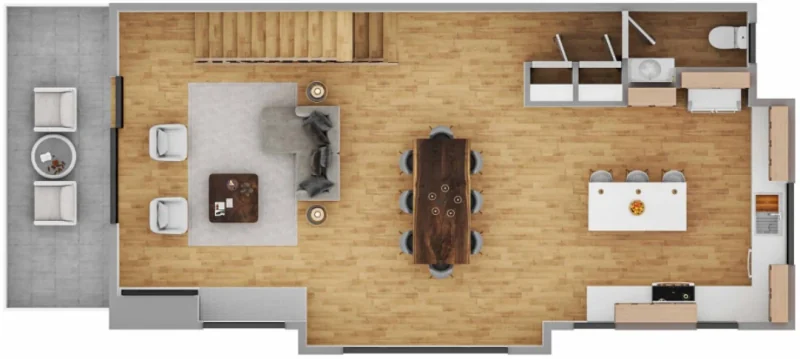
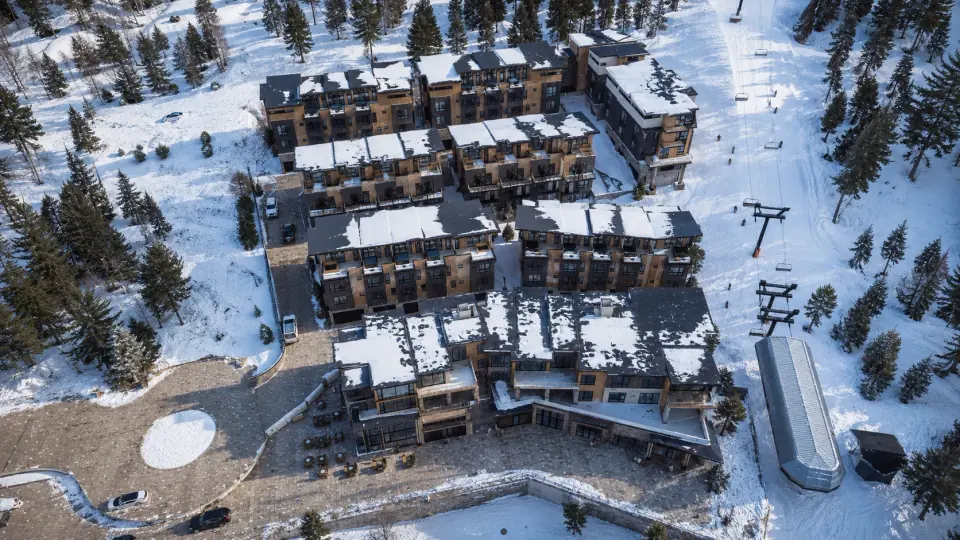
Powder Peak offers a mountain setting in Whitefish, with the four featured residences located across Buildings B, C, D and E. Each has three bedrooms, while B103, D102 and E104 also list a flex space. Review the complete plans to see how gathering areas and private rooms support your household. A private visit can help you compare those spaces and ask about the actual ownership arrangements. Keep the property appointment separate from a busy park day so you have time to assess the home carefully.