Get to know the mountain before choosing your day
Whitefish Mountain Resort describes 3,000 acres of terrain with a mix of trails, bowls and glades. That range makes the trail map a useful first stop when planning a visit. Look at the areas that match your experience and how their lifts connect, then check the resort’s live information for the day you intend to ski.
Think about the kind of day you enjoy. Some people want steady laps on familiar terrain; others want lessons or time exploring a new area. A group does not have to share the same plan for every run, but it helps to agree on a meeting point and the route back. Use your first visit to learn the mountain’s layout before measuring the day by how much ground you cover.
Match lessons and equipment to your actual experience
The resort’s Ski & Ride School offers instruction for different ages and abilities, including group and private options. Review the official lesson information and contact the school when deciding which format suits your group. Explain what each person has done before and what they hope to improve, so the conversation starts with experience rather than a broad label such as beginner or advanced.
Coordinate equipment arrangements with the lesson plan. Confirm the check-in location, what is included and what you need to bring. If several people are learning at different levels, keep their meeting details separately organized. Give a new skier time to ask questions and become comfortable with the equipment before treating the rest of the day as fixed. The aim is a useful introduction that leaves room to progress at an appropriate pace.
Read conditions as a set of practical decisions
Whitefish Mountain Resort’s snow report includes information on open terrain, grooming and lift status. Its operating information should guide the day’s plan; a photograph or a past trip cannot establish what is available when you arrive. Check the report alongside the official trail map so the named areas have meaning.
Use that information to make concrete choices with your group. Decide where to begin, where to reconnect and how a change in plans will be communicated. Keep the first part of the day simple enough to adjust after you have experienced the conditions yourselves. If one skier wants to finish early, agree on a return arrangement before the group separates. Treat a comfortable meeting plan and a clear way home as part of a good ski day, alongside the runs you hope to make.
Understand where Chair Two fits into your visit
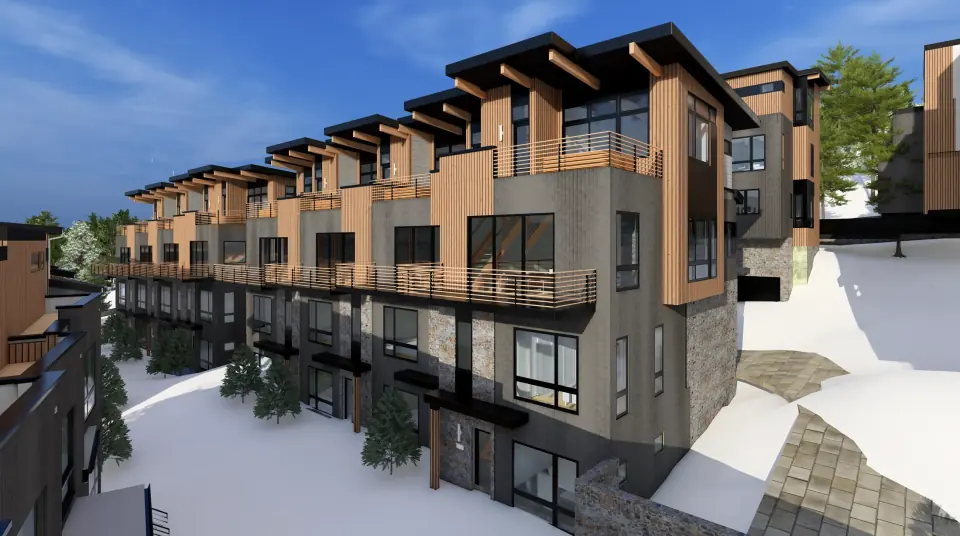
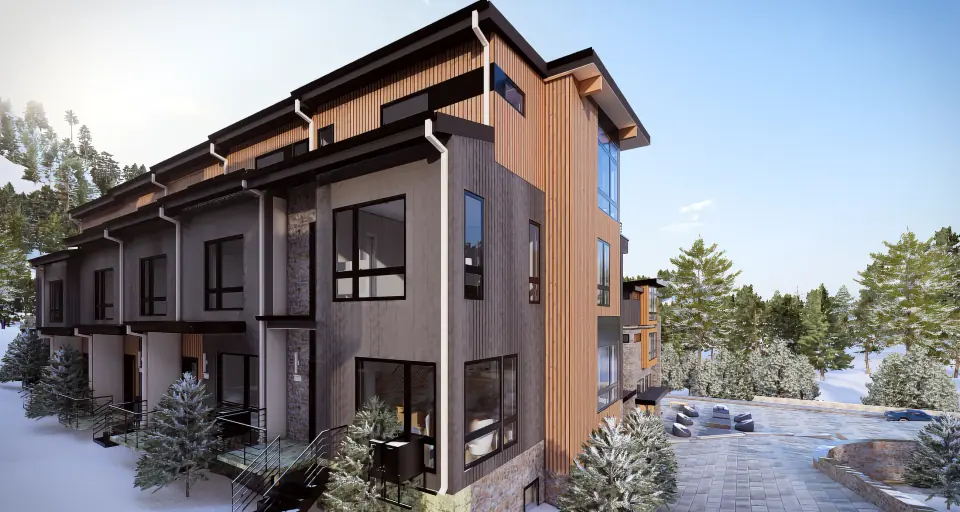
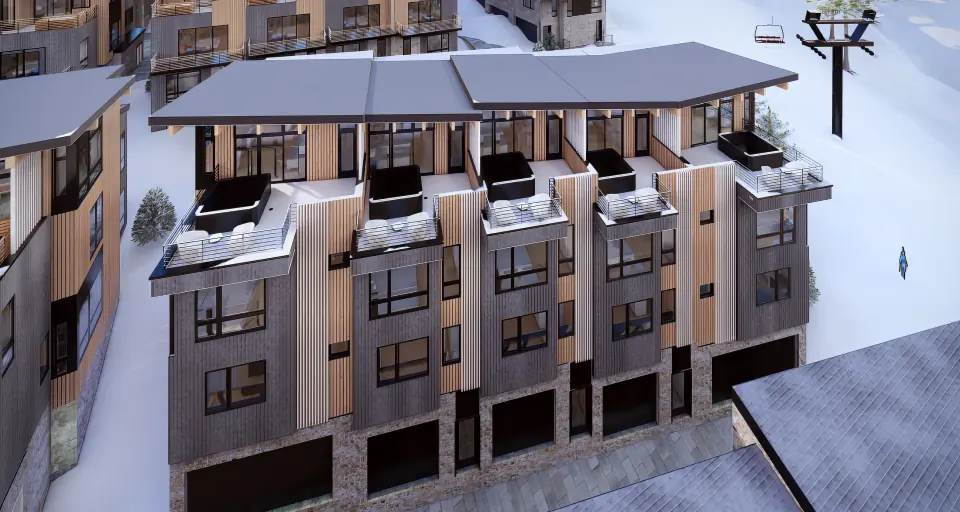
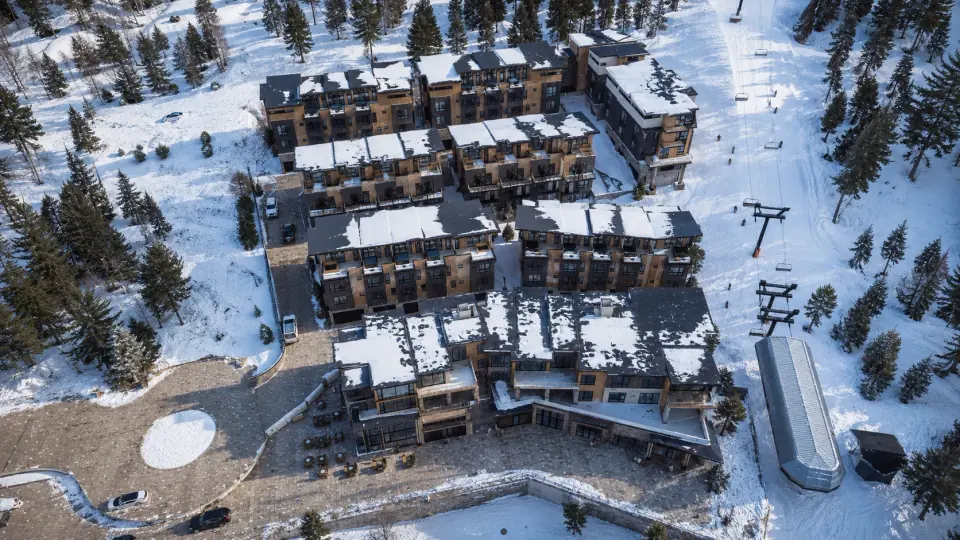
Chair Two is named Swift Creek Express in the resort’s mountain information. Powder Peak’s setting at Chair Two makes that area a useful reference when looking at a resort map or arranging a property visit. Identify the lift by both its name and number so you can follow directions consistently.
For a residence you are considering, ask to see the actual route between the home and the skiing you expect to use. Walk through arrival, equipment handling and the return to the building. A map gives the overall relationship; an on-site explanation supplies the details of a particular home. Consider how that route would work for different members of your household, including someone carrying equipment or ending the day independently. Tie the access discussion to the selected residence instead of assuming every building has the same arrangement.
Choose a base that fits mornings and evenings
A ski trip includes more than time on the lifts. Consider how your household wants to begin the morning, organize meals and spend evenings. Staying in town and choosing a mountain address create different daily routines. The resort’s getting-here information describes the town-to-mountain journey and seasonal S.N.O.W. Bus connection, which can help you compare those routines.
Draw a simple version of an ordinary day for your group. Include collecting equipment, getting to a lesson, meeting for lunch and returning at different times. Then think about a day when someone chooses not to ski. A location works better when it supports the whole party’s plans. If you are evaluating ownership, repeat this exercise for a short visit and a longer stay; the priorities can change when you have more time to settle in.
Check what each ski booking includes
Use Whitefish Mountain Resort’s official purchasing and visitor information when arranging access to the mountain. Review what the selected product includes before making further reservations; the Ski & Ride School lists lesson packages as well as individual programs. Confirm whether you still need tickets, equipment or instruction, and organize the confirmations by activity so you know where to go.
It helps to appoint one person to collect the essentials for a family or group while still giving each traveler access to their own details. Confirm the exact start location for instruction, where equipment is collected and how everyone reaches those places. Before departure, review the plan with anyone arriving later or using different transportation. That small amount of organization can reduce avoidable confusion on the first morning and leave more attention for learning the resort’s layout.
Plan a flexible first visit before committing to a routine
Use an initial Whitefish ski trip to learn what matters to you on this mountain. Notice which part of the resort your group returns to, how much time you prefer outside, and whether the household naturally stays together or splits into different activities. Those observations can be more useful for a future home search than a list of general resort features.
Leave room to explore the surroundings at a slower pace. A property appointment works best when you have enough time to look through the full home and ask practical questions. Schedule it separately from a lesson or another commitment that would make you rush. If you expect to visit repeatedly, keep notes on the arrangements you would want to repeat and the ones you would change. A clear picture of your own routine gives a residence comparison a useful purpose.
Translate repeat ski visits into a residence shortlist
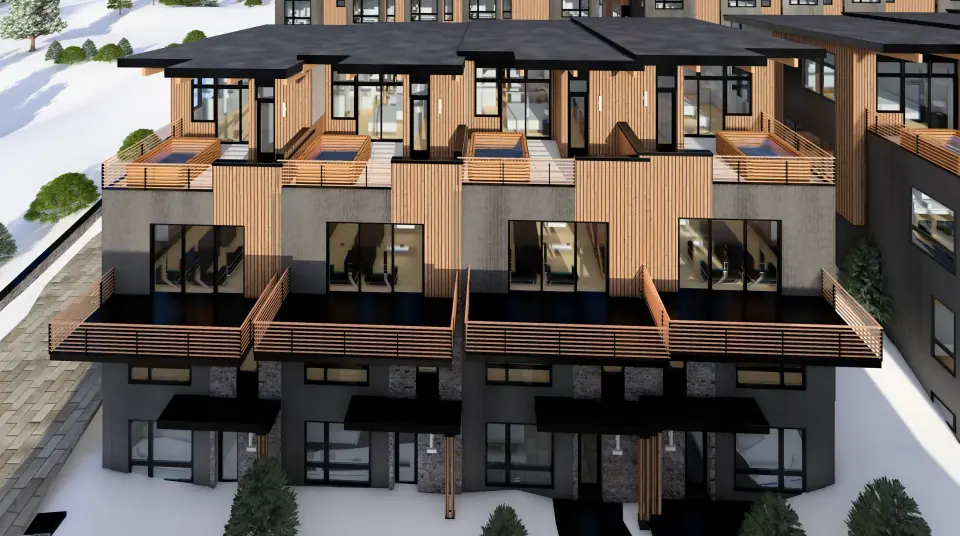
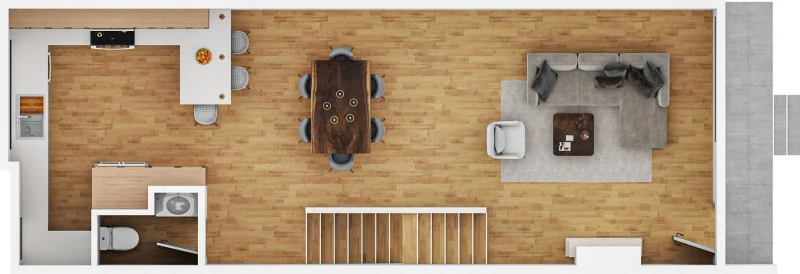
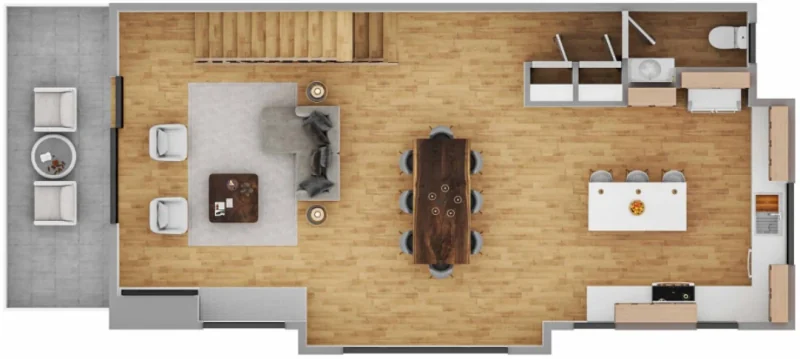
Start the home comparison with the people who would use it. Powder Peak’s featured B103 and C103 residences each have 2,037 square feet and 2.5 bathrooms. D102 has 2,524 square feet and E104 has 2,575; both have 3.5 bathrooms. All four have three bedrooms, and B103, D102 and E104 additionally list flex space.
Use the complete plans to trace the way a normal ski day would move through each home. Ask where equipment is kept, how entry and parking work, and how common areas are maintained. Compare the spaces for gathering with the rooms someone might use for a quiet afternoon. Request current availability and property-specific documents for your preferred unit. That makes the conversation about a particular residence and the way your household would use it across repeated Whitefish visits.